
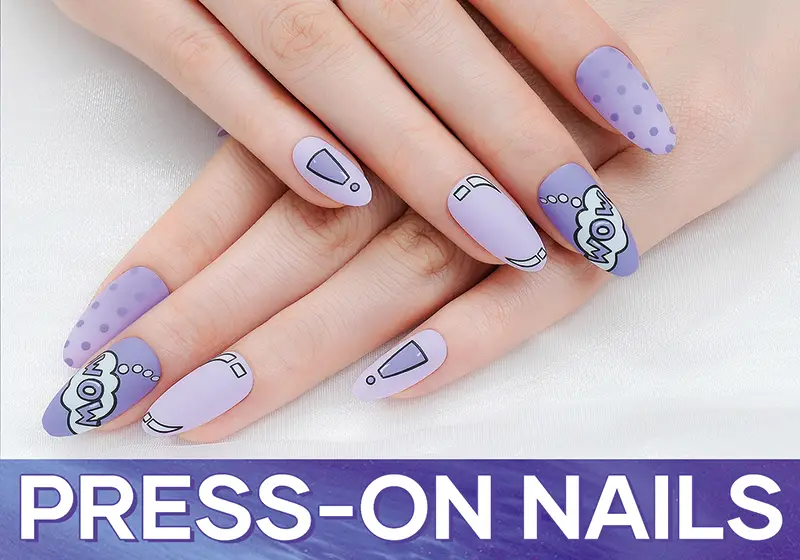
Press-on nails have changed dramatically in recent years. What used to be a flimsy drugstore accessory is now a serious beauty category, with professional designs, durable materials, and fits that can rival a salon manicure. But press-ons are not a one-size-fits-all solution. They work beautifully for some people and frustratingly for others. The difference usually comes down to choosing the right set, preparing properly, and avoiding a few common mistakes.
Who Are Press-On Nails Suitable For?
Press-ons are ideal for people who want a polished look without a salon appointment. They are perfect for beginners, busy professionals, students, and anyone who likes to change their nails often. If you have a special event, a vacation, or a week when you simply do not have time for a gel manicure, press-ons are a practical option.
They are also a good choice for people who want to avoid UV lamps, harsh filing, or strong chemical smells. Because press-ons are applied with adhesive tabs or glue and removed gently, they are generally gentler on the natural nail than acrylics or hard gels—provided they are removed correctly.
Press-ons work well for short to medium nail lengths and for people with relatively standard nail shapes. If your nails are very curved, very flat, or unusually wide or narrow, finding a comfortable fit can be harder. In that case, look for brands that offer a wide range of sizes or customizable shapes.
They are not ideal for people who are extremely hard on their hands, such as those who work in construction or frequently handle heavy objects. Press-ons can pop off under lateral pressure. They are also not a permanent solution. If you want three to four weeks of wear with zero maintenance, salon gel or acrylic may be a better fit.
Press-Ons vs. Salon Gel: How to Choose
The choice between press-ons and salon gel comes down to time, budget, durability, and nail health.
Salon gel manicures last two to three weeks and look flawless. They are applied by a professional, cured under a lamp, and bonded to the nail. They are excellent for people who want long-lasting wear and do not mind the appointment time or cost. However, salon gels require proper removal with acetone, and repeated use can dry out the nail plate. They also involve UV exposure and, in some cases, aggressive filing.
Press-ons are faster and cheaper. A full set takes ten to fifteen minutes and can cost a fraction of a salon visit. They are easy to remove at home and allow you to change your look frequently. The trade-off is durability. With glue and proper preparation, press-ons typically last one to two weeks. With adhesive tabs, expect three to seven days.
Choose press-ons if you want convenience, affordability, and flexibility. Choose salon gel if you want maximum durability and a professional finish that lasts. Many people use both: press-ons for quick changes and travel, salon gel for special occasions or periods when they need long-lasting wear.
How to Apply Press-On Nails: Step-by-Step?
A secure press-on manicure starts with preparation.
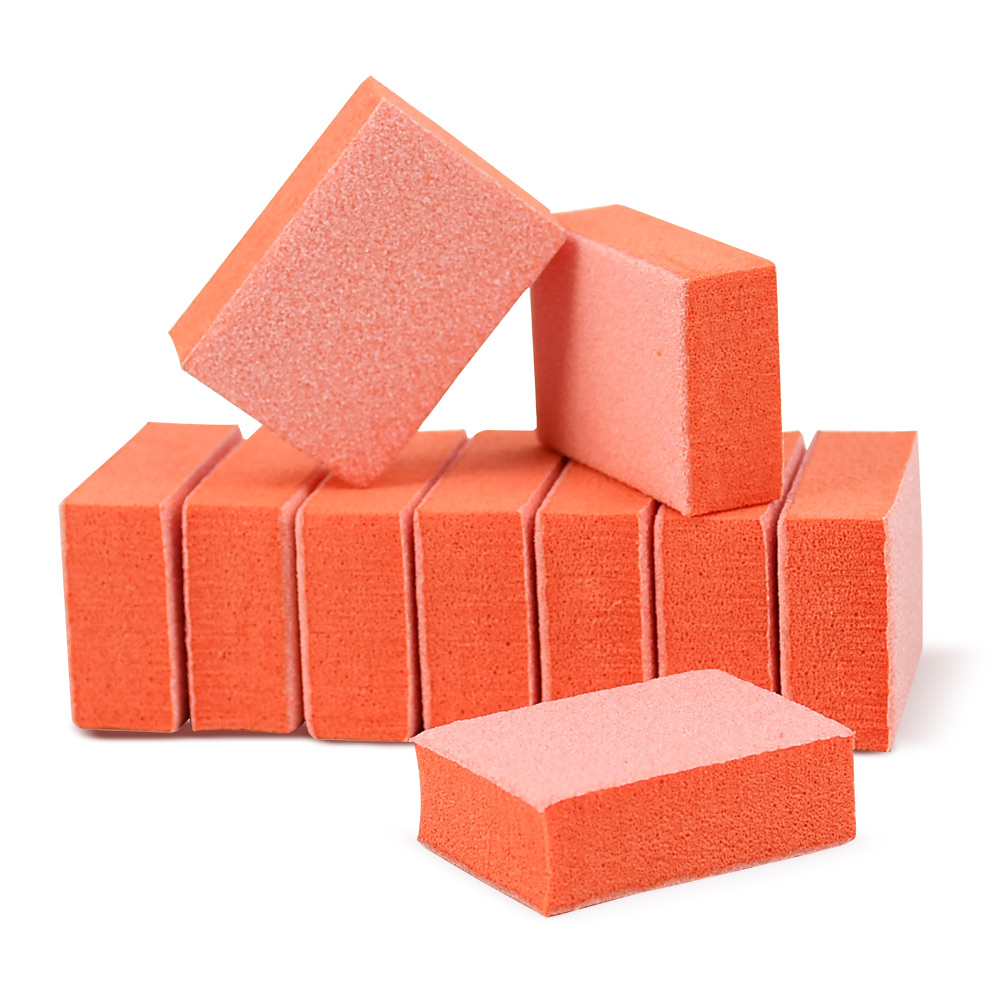
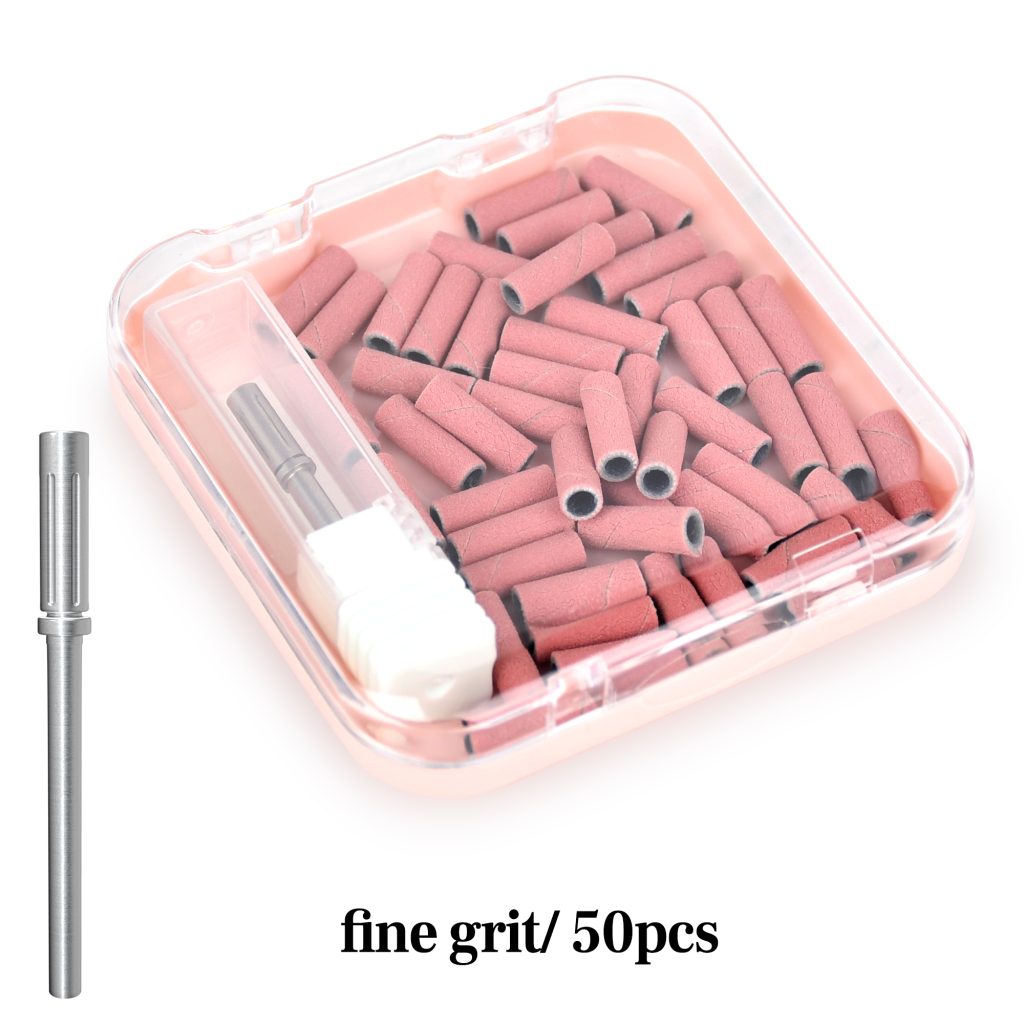
Step 1: Prep your natural nails. Remove old polish and wash your hands with soap and water. Dry them thoroughly. Push back your cuticles gently. Lightly buff the surface of each nail with a fine-grit buffer block to remove shine. This creates a slightly textured surface for the adhesive to grip. Wipe each nail with rubbing alcohol on a lint-free pad to remove oils and dust. Do not apply hand cream or cuticle oil before application.
Step 2: Choose the right size. Hold each press-on over your natural nail without removing the backing. Choose the size that covers the nail from sidewall to sidewall without overlapping the skin. If you are between sizes, choose the smaller one. A press-on that is too wide will lift at the edges. A press-on that is too narrow will leave gaps and feel unstable.
Step 3: Apply adhesive. You have two options: adhesive tabs or nail glue. Tabs are gentler and easier to remove, but they last only a few days. Glue provides a stronger, longer hold. For glue, apply a thin layer to your natural nail and a small amount to the back of the press-on. Do not use too much—excess glue can seep onto the skin and weaken the bond.
Step 4: Press and hold. Place the press-on at a 45-degree angle at the cuticle line, then roll it down flat onto the nail. Press firmly for at least fifteen to thirty seconds. This squeezes out air pockets and helps the adhesive set. Work one nail at a time.
Step 5: Avoid water for one hour. Do not wash your hands, shower, or do dishes immediately after application. The adhesive needs time to cure fully.
Why Your Press-Ons Keep Falling Off?
If your press-ons pop off quickly, the problem is usually one of five things.
Poor preparation. Oils, dust, or hand cream on the nail plate prevent adhesion. Always cleanse and dehydrate before applying.
Wrong size. A press-on that is too wide or too narrow will not sit securely. Measure carefully and choose the closest fit.
Too much or too little glue. A thin, even layer on both surfaces works best. Excess glue seeps onto the skin and weakens the bond. Too little glue leaves gaps.
Not holding long enough. Fifteen to thirty seconds of firm pressure is essential. Air trapped under the press-on causes lifting.
Water exposure. Water is the enemy of every press-on. Wear gloves for dishwashing, cleaning, and gardening. Dry your hands thoroughly after washing.
Common Beginner Mistakes and How to Avoid Them
Mistake #1: Skipping nail prep. This is the most common reason press-ons fail. Always buff, cleanse, and dehydrate the natural nail.
Mistake #2: Choosing the wrong size. Do not force a press-on to fit. If it overlaps the skin or leaves gaps, choose a different size or file the sides.
Mistake #3: Using too much glue. More glue does not mean a stronger hold. A thin, even layer is better.
Mistake #4: Not pressing firmly. Hold each nail for at least fifteen seconds. Air pockets cause lifting.
Mistake #5: Getting the nails wet too soon. Wait at least an hour before washing your hands or showering.
Mistake #6: Peeling them off. Never peel a press-on off dry. Soak in warm soapy water or apply cuticle oil, then gently lift with a wooden stick. Peeling damages the natural nail.
Mistake #7: Using nails as tools. Opening cans, peeling stickers, and scraping labels puts pressure on the press-on and can pop it off.
Final Thoughts
Press-on nails are a convenient, affordable, and stylish alternative to salon manicures. They suit beginners, busy people, and anyone who likes to change their look often. With careful preparation, the right size, strong adhesive, and smart daily habits, press-ons can stay secure for one to two weeks. Avoid the common mistakes, remove them gently, and give your natural nails a break between sets. Do that, and press-ons will become a reliable part of your beauty routine.